The Shopify x ChatGPT Integration Is Real—And It’s About to Shake Everything in Ecommerce (and Email)

Back in April, Jordan West spotted a little line of code hidden inside ChatGPT’s live assets:
shopify_checkout_url
It was like catching a glimpse behind the curtain. No announcement. No fanfare. Just a clue that something big was brewing.
Well, it’s no longer a secret—because now it’s official.
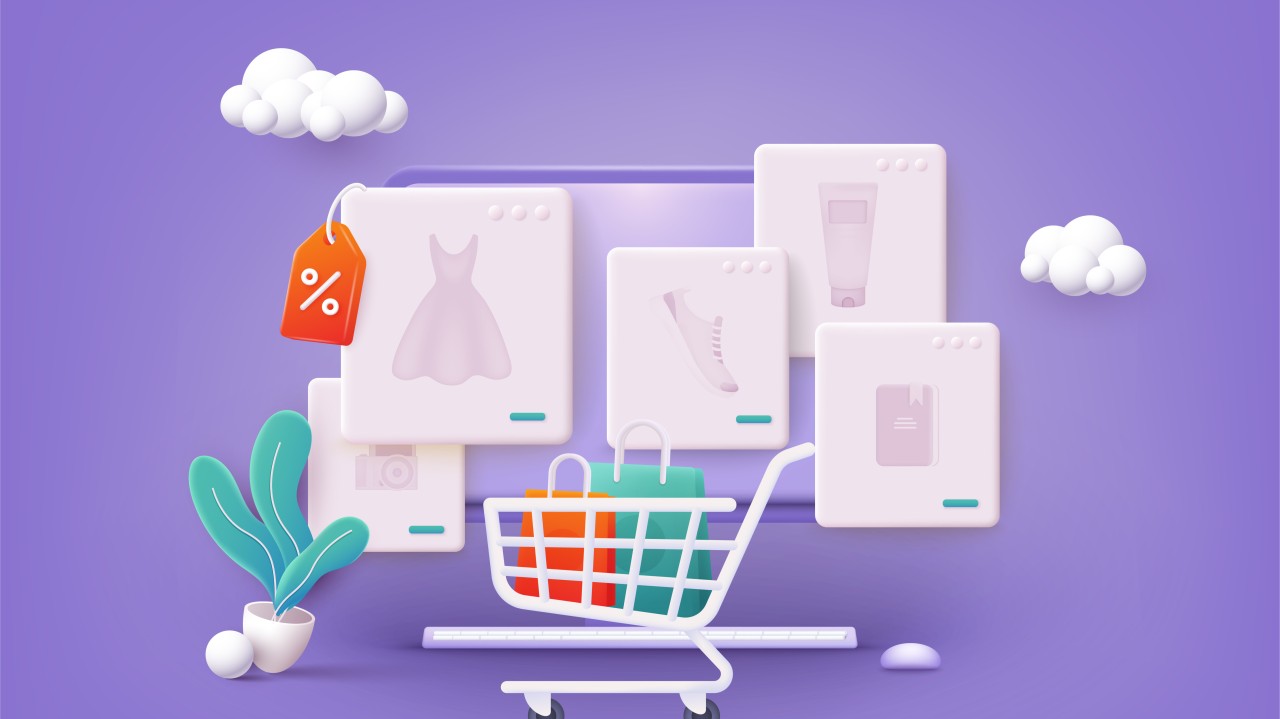
OpenAI has launched Instant Checkout inside ChatGPT. Etsy sellers in the U.S. are live already, and Shopify merchants are up next. Buyers can:
- Ask ChatGPT for a product
- Browse a few results
- Tap “Buy Now”
- And check out—without leaving the chat
No redirects. No website visit. Just a neat little transaction tucked into a conversation.
This Isn’t Just a New Feature
This changes how we think about the entire ecommerce journey—from search to purchase, to (and this is key) what comes after.
ChatGPT has gone from helpful assistant… to AI-powered sales channel.
And Shopify? They’re first in line. But they won’t be the only one. I’d bet my inbox that BigCommerce, WooCommerce, Wix and friends are already knocking on OpenAI’s door.
This isn’t just another new feature. It’s the birth of a new sales channel. And it might just be the biggest change to digital commerce since the invention of mobile shopping.
Stripe’s Role: Why This Isn’t Just for Shopify
What makes this more than a Shopify update is the tech behind it. The Agentic Commerce Protocol (ACP), co-developed by OpenAI and Stripe, is open-source and platform-agnostic.
This means:
- It’s not just for Shopify
- Any eCommerce brand using Stripe could eventually plug into ChatGPT’s checkout system
- The door is open for broader participation—WooCommerce, BigCommerce, and others could join the party sooner than you think
Stripe handles the heavy lifting:
- Payment authentication
- Tokenisation and security
- Streamlined user permissions
So while Shopify is the first big name to benefit, it’s likely just the beginning.
This is no longer about being on the right platform. It’s about being ready to plug into a new commerce protocol. One that speaks AI, plays nice with Stripe, and turns conversation into conversion.
The Real Question: Can You Be Found?
If ChatGPT is becoming a sales channel, here’s the thing:
If it can’t find you, you don’t exist.
That means your product:
- Needs structured, searchable data
- Should be described with clarity and relevance
- Must convey trust (think reviews, speed, ease)
It’s no longer enough to be good. You have to be readable, by people and machines.
This isn’t a Shopify thing. It’s an everything’s changing thing.
Why This is a Game-Changer for Brands
1. Search Becomes Transactional
This is no longer a research or inspiration tool. ChatGPT is officially in the conversion game. Imagine asking:
“What’s a good protein powder for women over 40 with joint issues?”
And getting a reply like:
“Here’s a high-quality one rated for joint health. Ships in 2 days. £39. Want to buy it now?”
…and boom, you’re at checkout, no website needed. That’s instant gratification at scale.
2. DTC Brands Are Either In or Invisible
If you’re a Shopify store owner, congratulations: you just got free distribution into OpenAI’s commerce ecosystem.
But, if your listings are messy, unclear, or lacking structured data? You’re toast. AI won’t surface your product if it can’t understand it or trust it.
The algorithmic merchandiser is here, and it doesn’t care how pretty your homepage is.
3. Conversion Copywriting Just Became Even More Critical
AI agents are concise, helpful, and ruthless. That means your product description needs to:
· Say exactly what the item is
· Clarify who it’s for
· Highlight the differentiator
All in about 10 seconds of AI-speak.
Bury your value prop? You’ll disappear in the AI abyss.
So What Does This Mean for Email?
Email isn’t going anywhere. In fact, it’s about to become more important than ever. But we do need to think differently about how we use it.
1. A New Path, Not a Replacement
People will still read your emails, click links, and browse your site. That’s not going to stop. But now there’s another way for them to buy—directly through ChatGPT.
So your email’s job? It’s now working across two journeys: the traditional inbox-to-website path, and this new inbox-to-AI-to-checkout one. You just need to make sure you’re optimising for both.
2. You Risk Losing the Opt-In (And This Is the Big One)
If someone buys through ChatGPT and you don’t collect their email? That’s it. You’ve lost the chance to speak to them again.
That’s why it’s absolutely essential to:
- Use Legitimate Interest where you can to add buyers to your programme
- Or prompt them clearly at checkout to opt in
Because ChatGPT might sell them one item. But you’ve got so much more to offer. And the only way to let them know? Through email.
Email is your post-AI purchase bridge. Don’t burn it.
3. Lifecycle & Behavioural Emails Become Even More Strategic
If the first sale happens inside ChatGPT, everything shifts – and not in subtle ways.
You won’t have:
- Browsing behaviour
- Viewed categories
- Cart activity to trigger abandon flows
So what does that mean for lifecycle strategy?
- Welcome emails can’t be personalised based on category interest
- Cart abandonment becomes non-existent for new buyers
And that opens up a lot of questions:
- Will conversion rates for first-time buyers drop without the usual journey?
- Or will friction-free buying boost initial sales?
- How do we personalise onboarding when AI made the decision, not the person?
- What does retention look like when your brand had no real pre-sale exposure?
No one has all the answers just yet. But one thing’s clear:
Your post-purchase journey becomes your first impression for first-time buyers.
Email needs to:
- Fill the knowledge gaps
- Reintroduce the brand
- Invite customers back into your ecosystem
You’re not just following up—you’re making sense of a sale that happened before the relationship began
4. Social Proof and Trust Signals Will Matter More
Trust is everything in AI-led purchases. Highlight in your emails:
- Reviews and ratings
- “Bought by X” stats
- Fast shipping
- Free returns
Make it easy for both humans and LLMs to trust you.
5. You Need to Optimise for Searchable Language
This one’s simple: describe products using language real people use when asking questions.
“What’s a great non-toxic skincare set under £40?”
That’s what AI understands. Not “GlowFusion Bundle 2.0”.
Train your website tone to mirror how people search.
So What Should We Be Doing Right Now?
- Review your emails and PDPs for clarity and consistency
- Standardise product naming across every channel
- Make sure you’re capturing permission during checkout
- Write like you’re solving problems, not pushing bundles
- Lead with proof: reviews, delivery times, trust
- Test short-form product intros—what would an AI say?
- Make your post-purchase journeys bulletproof
Final Thoughts
This shift doesn’t spell the end for email. It just raises the bar.
We’re not only writing for people now. We’re also writing for algorithms. For AI assistants. For ranking engines that will decide who makes the cut.
Email is still our superpower…but it has to evolve.
Let’s be the ones who lead the charge.